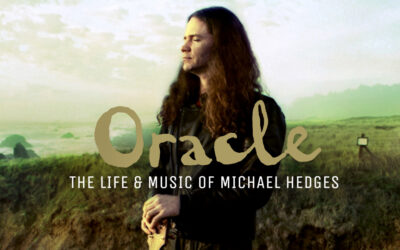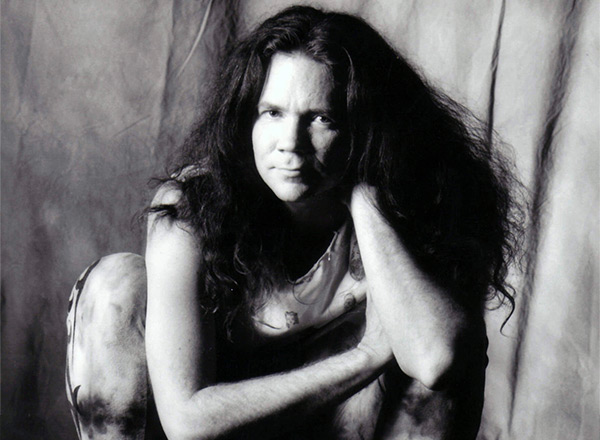
There’s a few questions we’ve asked every person interviewed so far for Oracle: the Life & Music of Michael Hedges. “What should be done with Michael’s guitars?” is one of them.
We’ve gotten got some lovely (and sometimes surprising) answers. Michael Manring’s made us smile ear-to-ear. Jon Gomm, in Nashville, made us laugh. But we were especially taken with Graham Nash’s answer, when we sat down with him in Soho in New York City. It’s the last thought in this current ‘work-in-progress’ scene from Oracle.
*when we filmed these interviews, we thought the number of guitars was 42, when actually there were only 38!
It’s a question that has weighed heavily on the Hedges family, for years.
In 2013, Michael’s son Mischa and his wife Lillie returned to live for several months in a small cabin at ‘The Magic Farm’ in Mendocino, with a singular mission in mind: to tend to the property’s structures that needed some repair, and to finally begin to deal with everything that had been stored in Michael’s studio since the 1997 accident that took his life.
It would prove to be a massive task that would take years, and one that – slowly, inevitably – peeled back many layers of love, regret, memory and emotion.
Quite organically and concurrently, as Mischa made his way through the stacks and stacks of boxes in the studio and opened the secure vault that held Michael’s instruments, preserved for more than 15 years, the question arose:
What should be done with Michael’s 38 guitars?
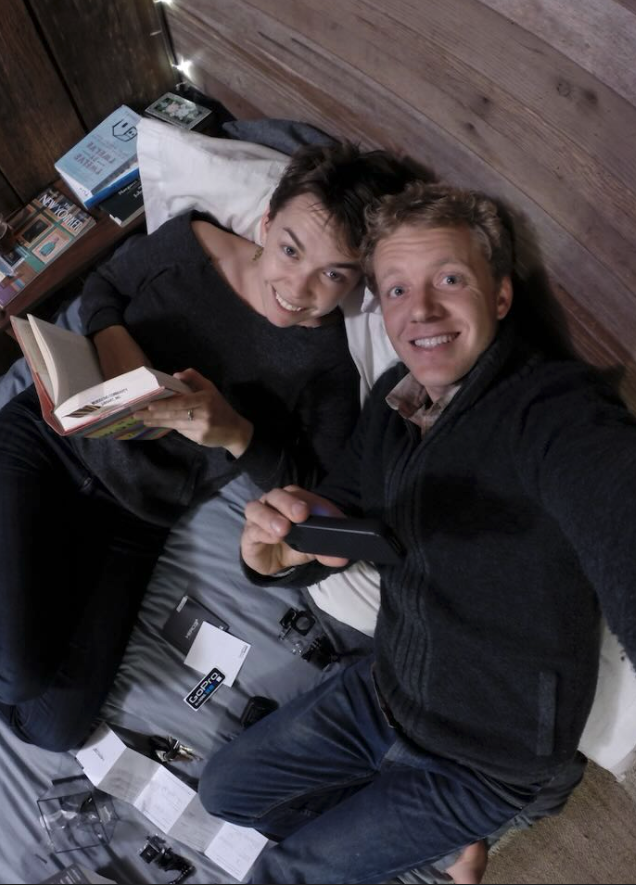
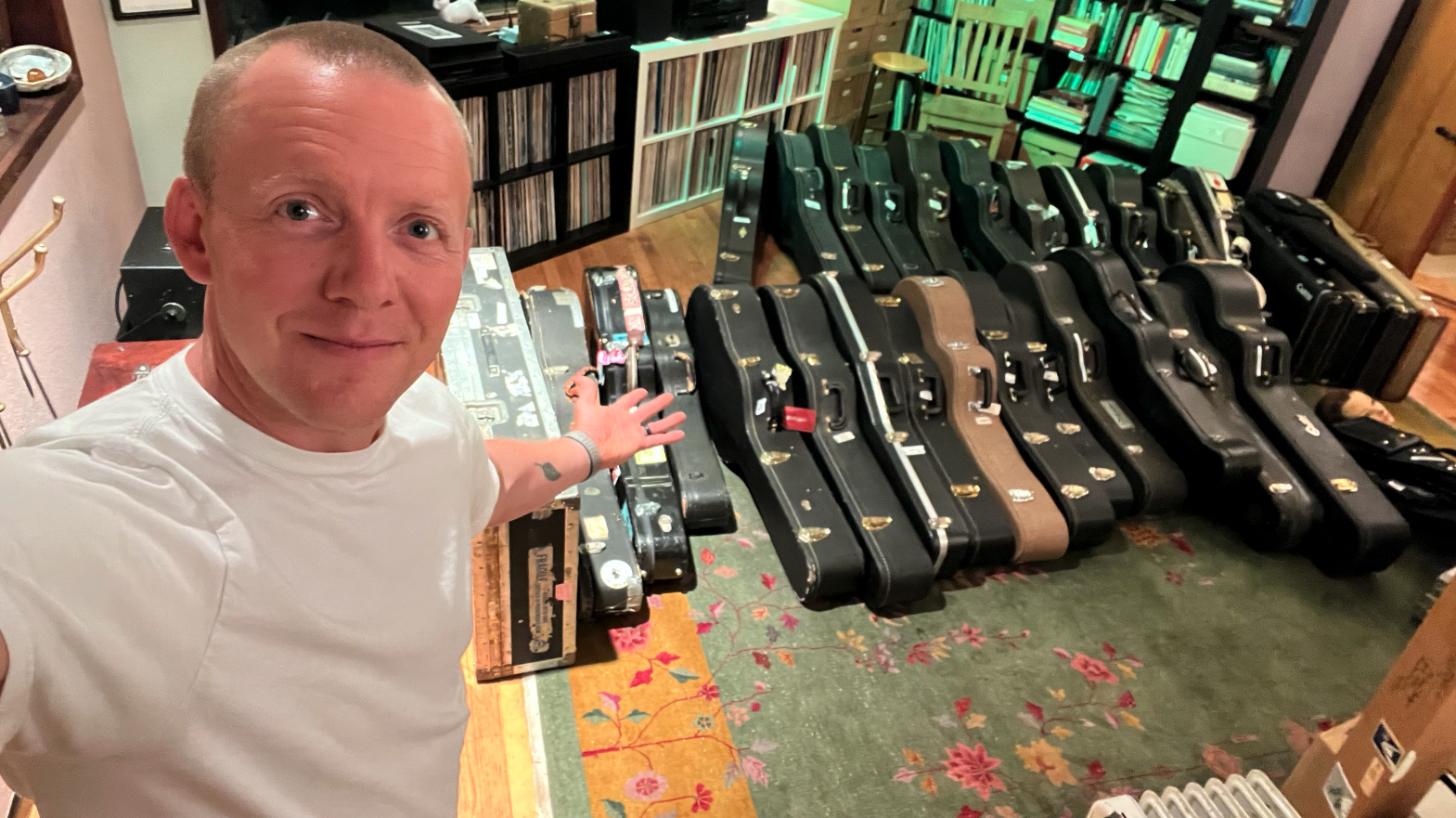
These instruments were special. Most had been left in the same tuning that Michael had last left them in. Legendary. Invaluable. For Mischa, deciding what to do with his father’s instruments felt like a tremendous responsibility.
Should they be placed in the hands of today’s premiere fingerstyle guitarists – to be played? Preserved in museums? Put up for auction? It was a question that Mischa would keep asking himself and exploring with our family for the next 10 years.
Several years later, in 2020, Mischa and I committed to making a documentary film about Michael. We began to outline the story and started fundraising for the film’s development. This question about the guitars, which hadn’t been answered, came up again.
As a writer, my job was to turn this rough outline into a screenplay – a documentary script that we’d use to craft interview questions from, inform our production planning, and set an initial direction for the film’s structure.
I realized that this was a perfect journey to capture and incorporate into the film’s third act, which we’d started to reserve for some present-day stories we knew we wanted to explore.
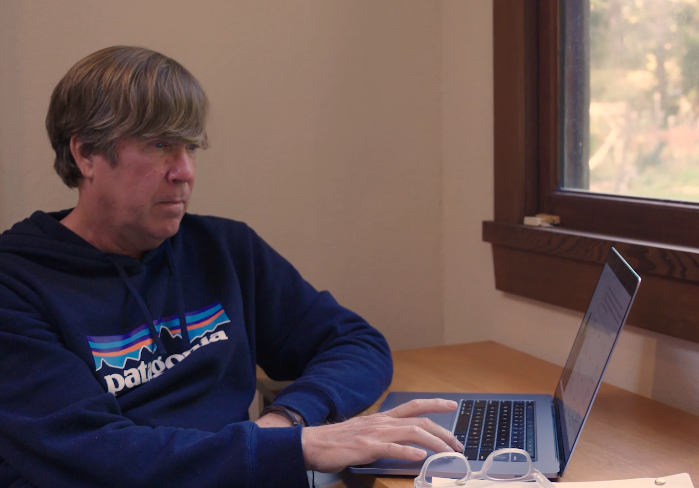
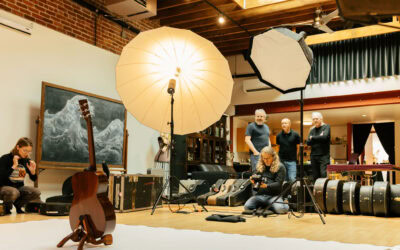
The fate of each guitar is still evolving, and the film will reveal lots of answers. But before they would be split up to go to any new homes, Michael’s family believed it was important that the guitars were photographed in detail, their stories fully documented.
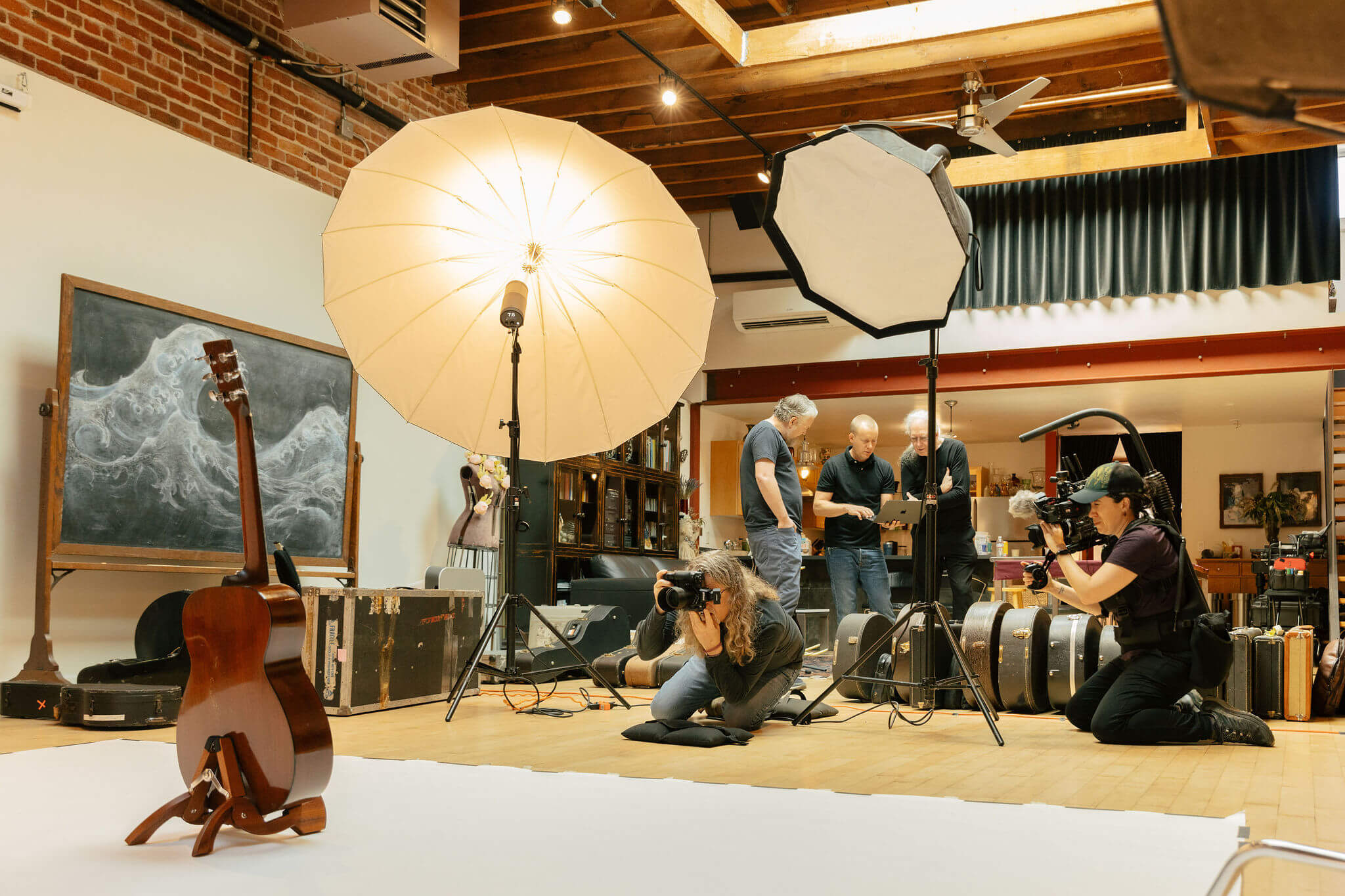
In a previous post, we shared a behind-the- scenes look at the extraordinary, exhaustive guitar photo (and Oracle) shoot in San Francisco with famed rock photographer Jay Blakesberg. It was likely the last time all of Michael’s guitars – with one notable exception – would all be together.
READ: photographing Michael’s 38 Guitars
Mischa plans to create an online gallery where Michael’s fans can learn the stories of each instrument, watch and listen to recordings of Michael playing them. There’s also a plan for a limited-edition coffee table book, The Guitars of Michael Hedges.
With that essential task done, we then embarked on a three-day roadtrip to the fabulous Musical Instrument Museum in Phoenix.
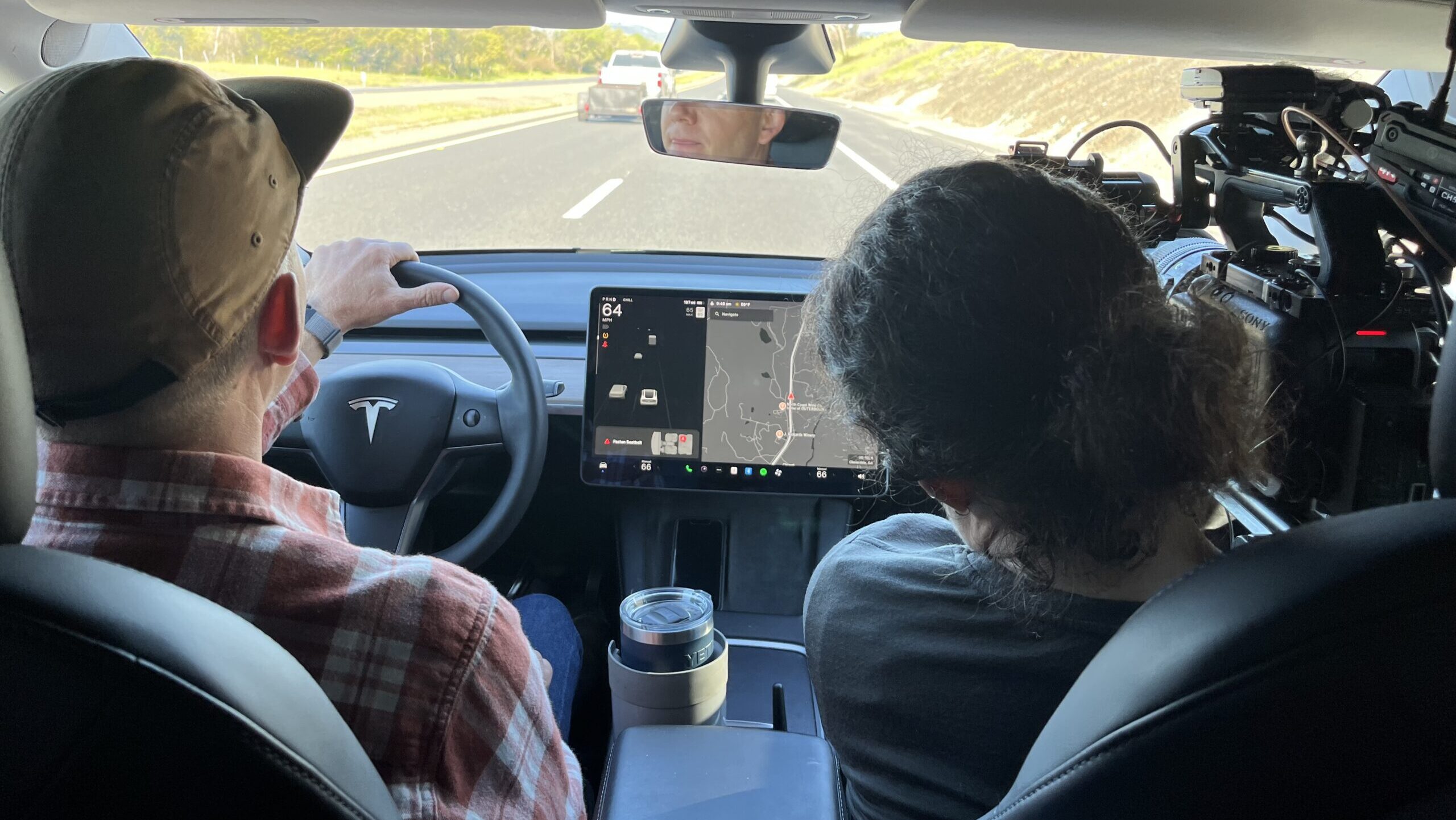
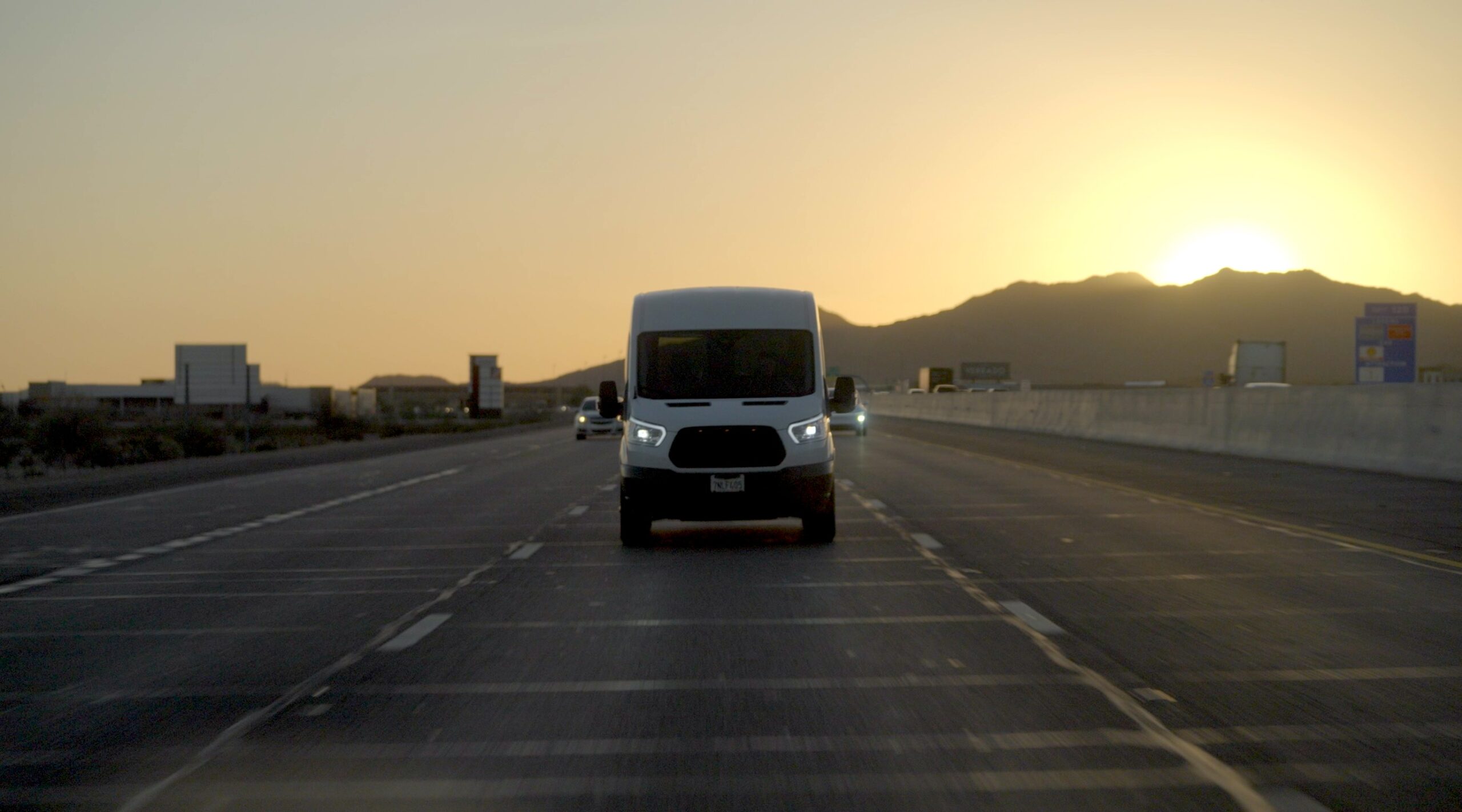
As I first imagined the sequence, I believed it had the potential to be truly beautiful and cinematic: Mischa, having entered the film in the third act, crossing the Mojave Desert alone in a white cargo van with some of his father’s most treasured guitars in the back. Alone, but for our fantastic Director of Photography Clare Major in the passenger seat, and myself, hunkered down in the back with a director’s monitor.
We’d begun the trip in March, in Mendocino – establishing the new timeline in the film, as Mischa drives to his hometown to begin preparing the guitars to leave for SF, and then returning with the cargo van to load them up.
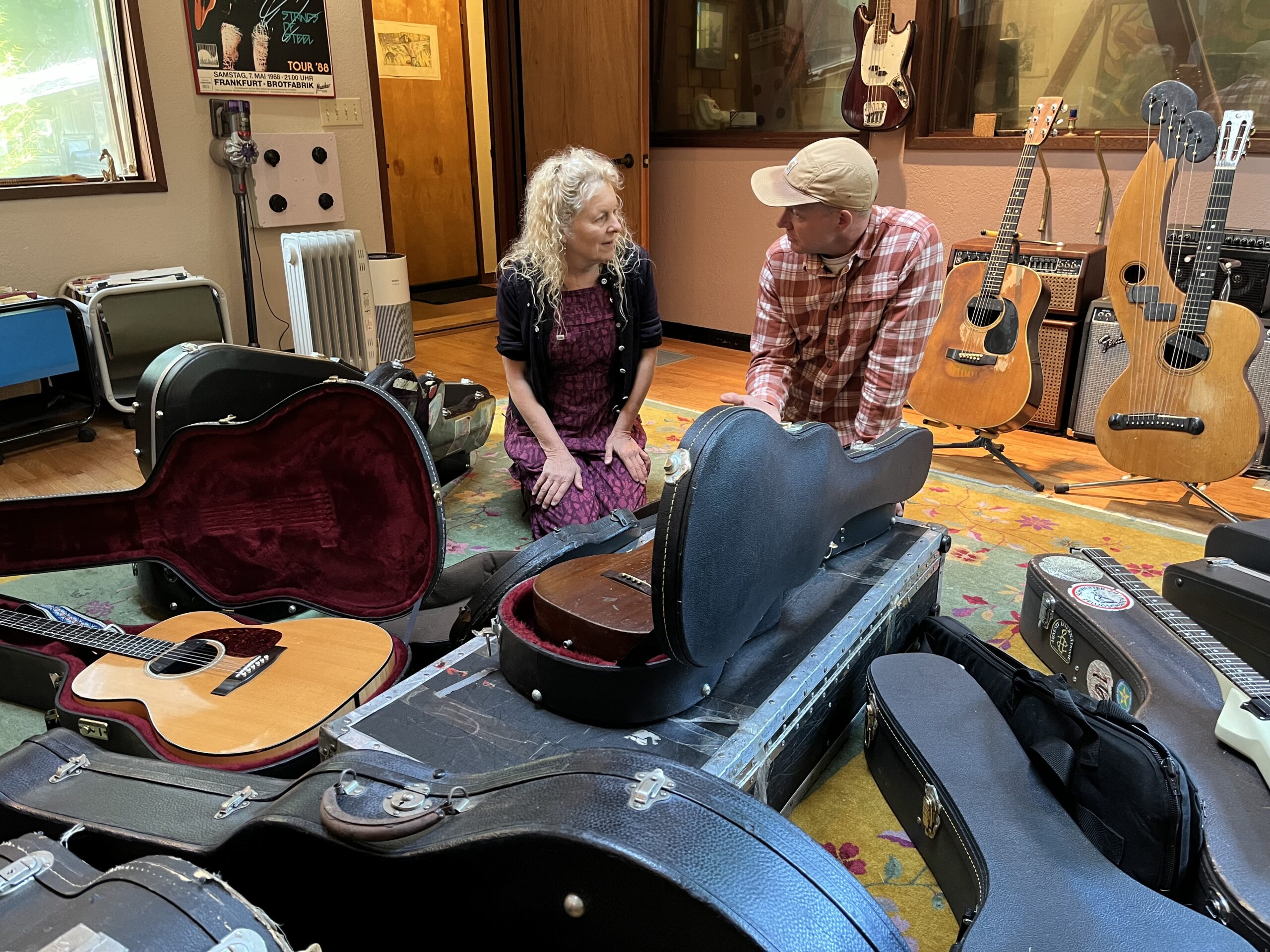
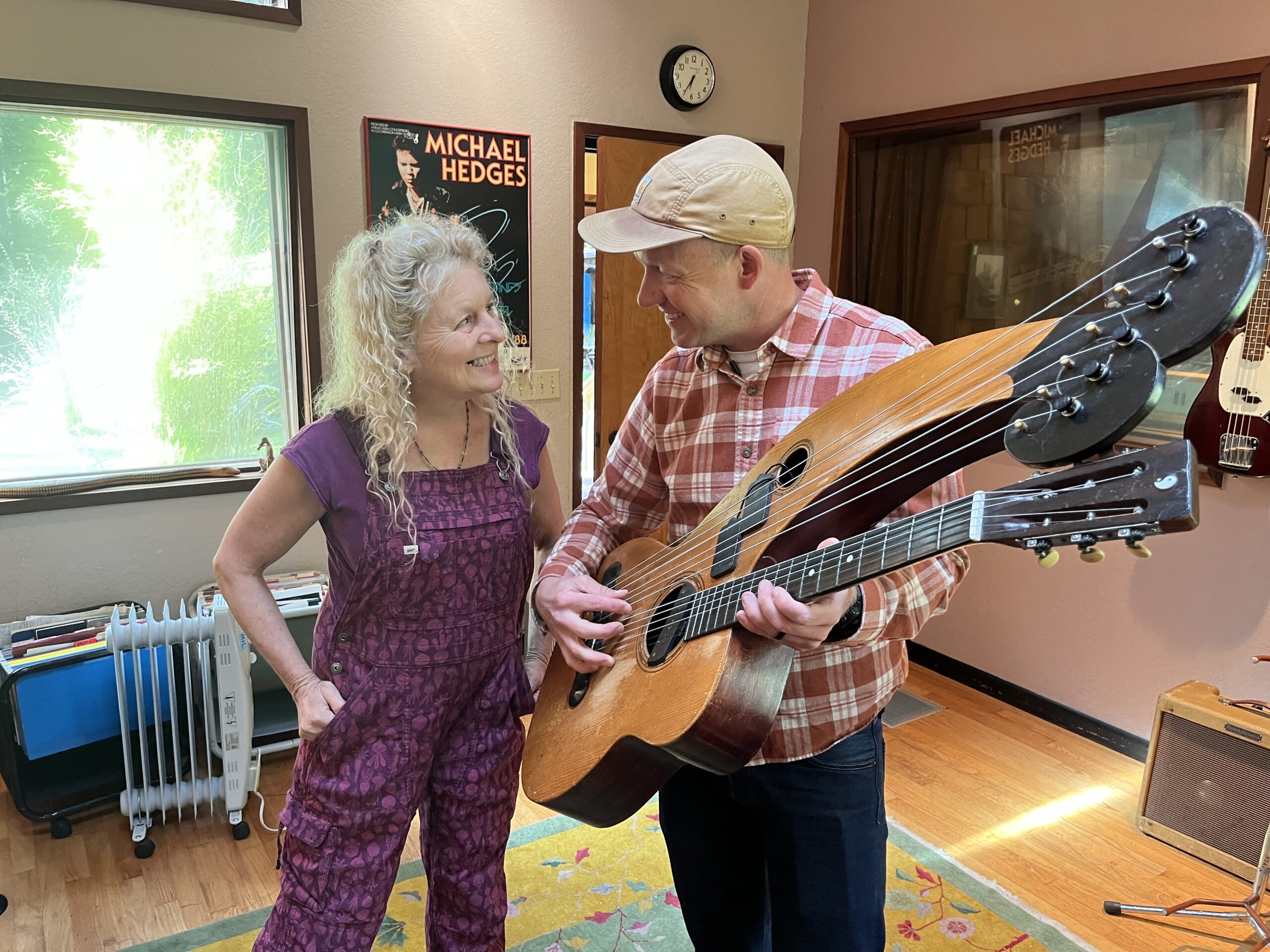
At the ‘Magic Farm,’ Mischa and his mom, Mindy Rosenfeld, find themselves reminiscing as this last step finally becomes a reality, providing some closure for both of them.
Mindy, Michael’s ‘soulmate,’ is a world-class professional musician in her own right, playing renaissance instruments that have been handed down throughout history. It was obvious that she fully understood the care that needed to be afforded Michael’s instruments. The time that she and Mischa spent together during these visits – right up to the moment the cargo van was backing up to the studio – was very special, if somewhat bittersweet.
As the planned “Journey of the Guitars” approached, I’d been stressing about the weather – for weeks. After all, we’d planned this shoot for months, after dreaming about getting the chance to do it for a couple of years. Where we planned to put this scene in the film, after losing Michael, we wanted the sun to come out. Literally.
As Mischa puts it, at this point in the film, ‘we’re moving toward hope.’ Blue skies, sunshine. We rescheduled once due to rain on the coast, but there’s something, well, magical about the Magic Farm. When we could wait no more and the time came, we left on an amazing, spectacular day.
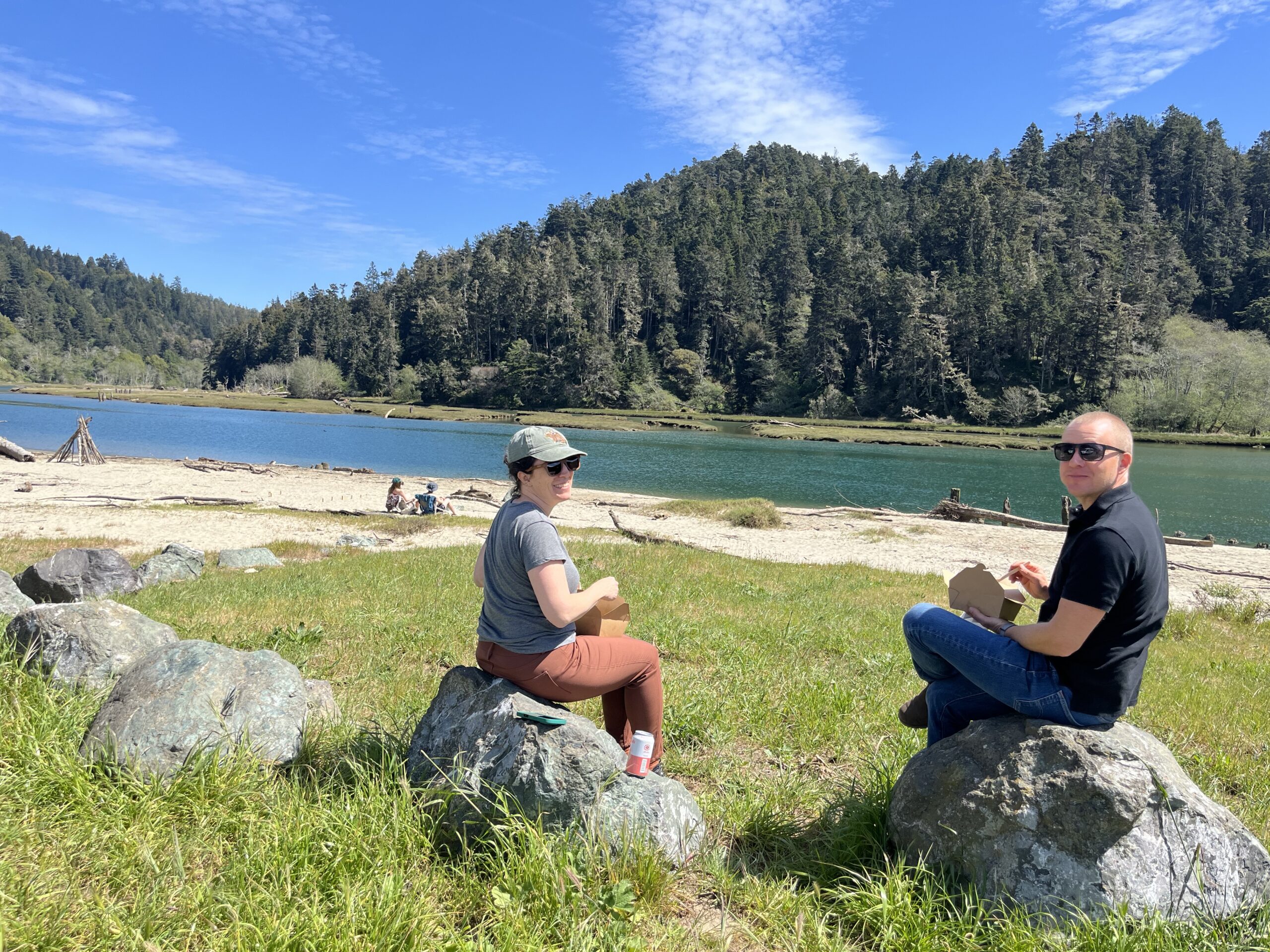
Back down Highway 1, hugging the Pacific Coast, across bridges, through the redwoods, past the site of Michael’s accident, switch-backing back up the lush, green coastal range – all under resplendent sunshine – we rejoined the ‘real world’ traffic at Freeway 101, and headed south towards San Francisco.
After the photo shoot there, we took a break for a few days (loading and unloading the guitars a few times to keep them safe and secure out of the hot van), then left again at 4AM to beat the Bay Area traffic. We made a quick stop to pick up coffee (and Clare!) in Oakland, crossed over Altamont Pass and started down the long length of the San Joaquin Valley.
The Journey of Michael’s Guitars had continued!
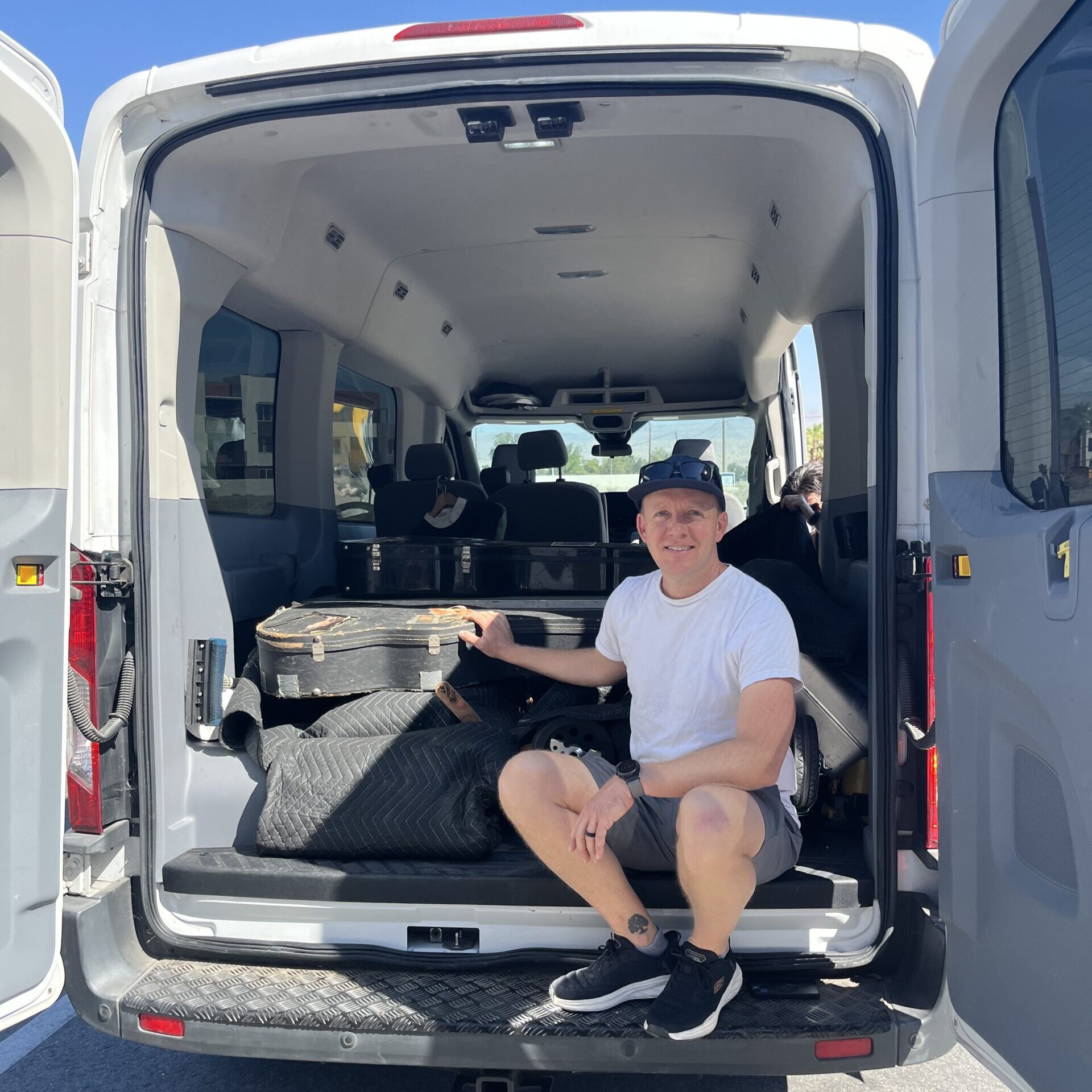
I’ve traversed the Tehachapis many, many times, and knew that the dramatic transition that unfolds, from foothills to desert, would afford some excellent backdrops for filming – and be a perfect place to resume the intimate, in-cabin time with Mischa.
By not shipping the guitars to Phoenix (too risky) and driving instead, and after all the crazy logistics of the SF shoot, Mischa finally had the time, and the wide-open space, to share more about his journey after losing Michael.
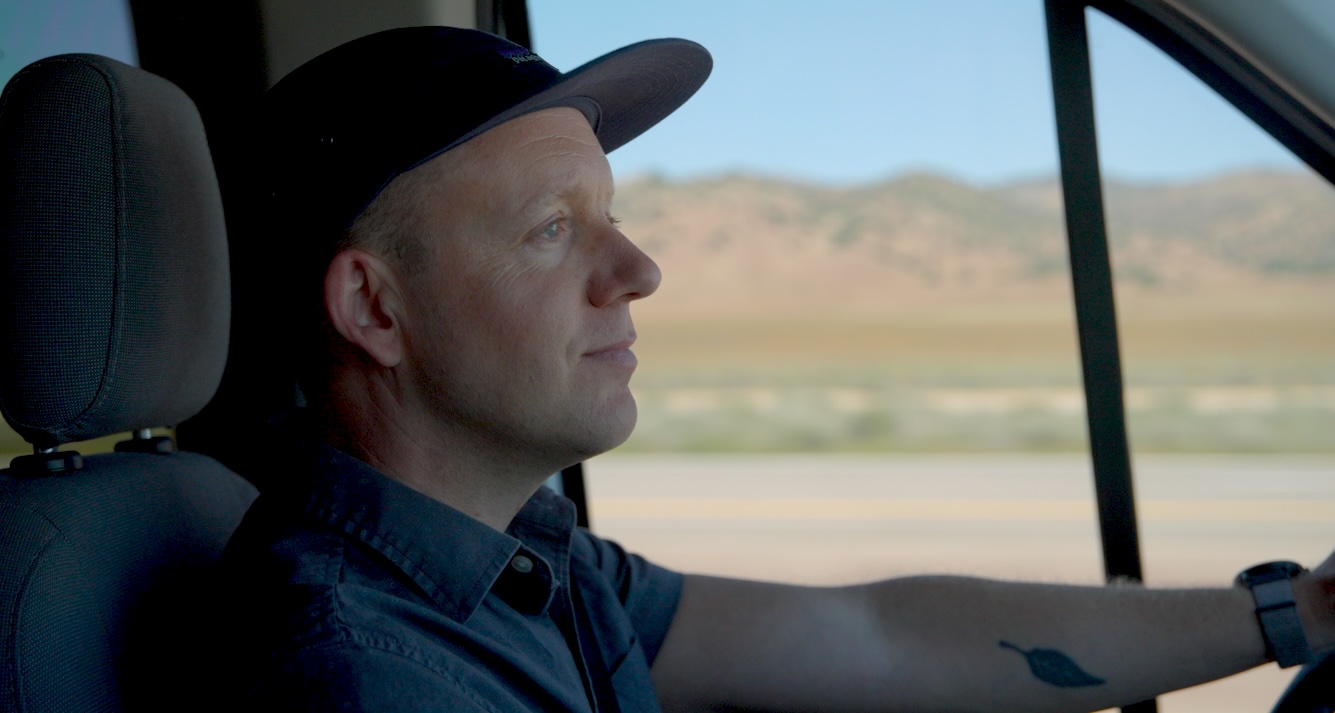
At one point, while driving, Mischa tells the camera that the process of bringing the guitars out into the world to their new homes was ‘like spreading Michael’s ashes.’
I’m in the back seat, shouldering more of the directing so Mischa can focus on driving and his role in the film – and I’m doing my best to keep it together.
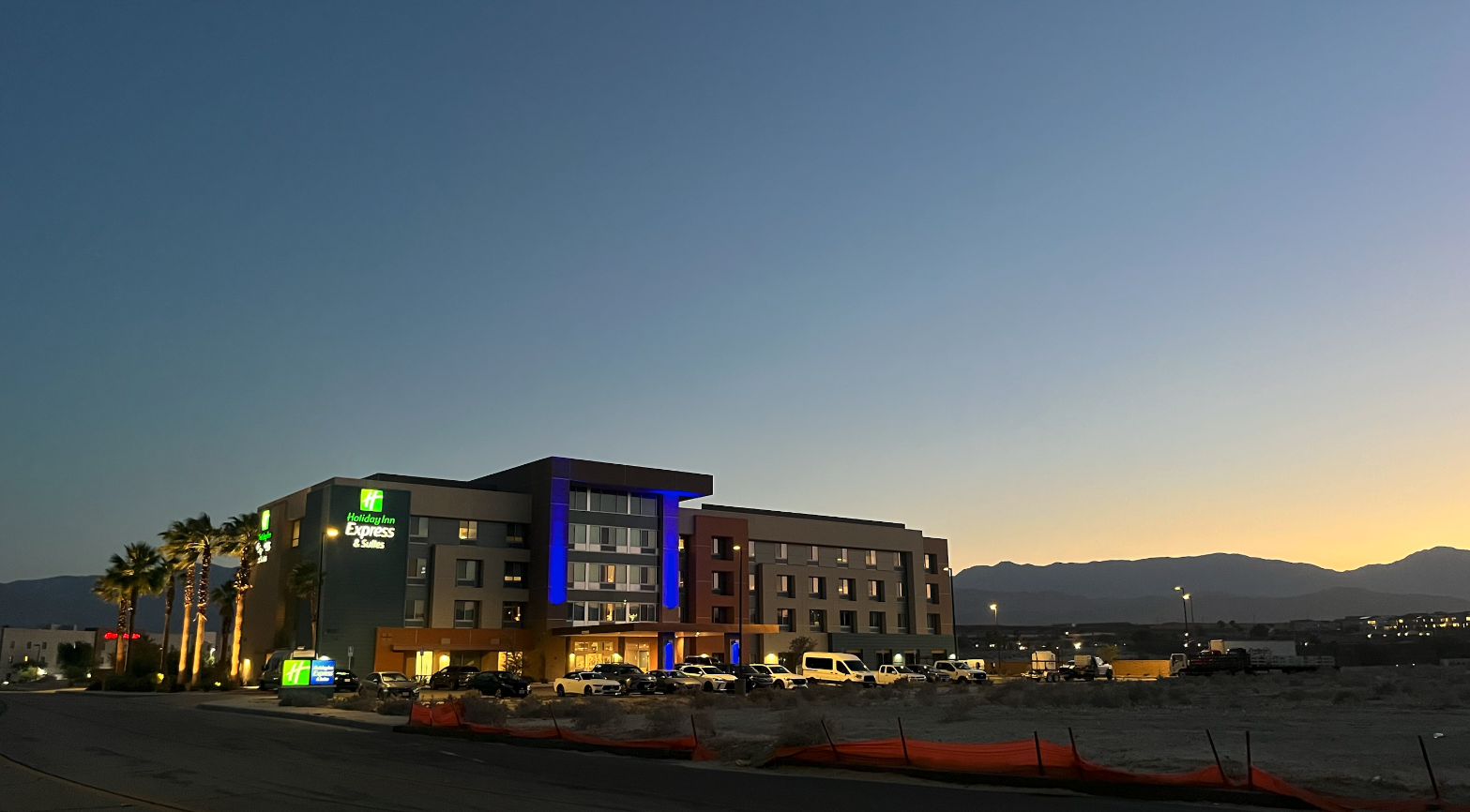
We descended down to Mojave, where I’d chased dozens of space shuttle landings as a younger man – and pressed on to Palm Springs for the night, requesting ground floors at our hotel to make loading easier.
Guitars out, guitars in, guitars out, guitars in.
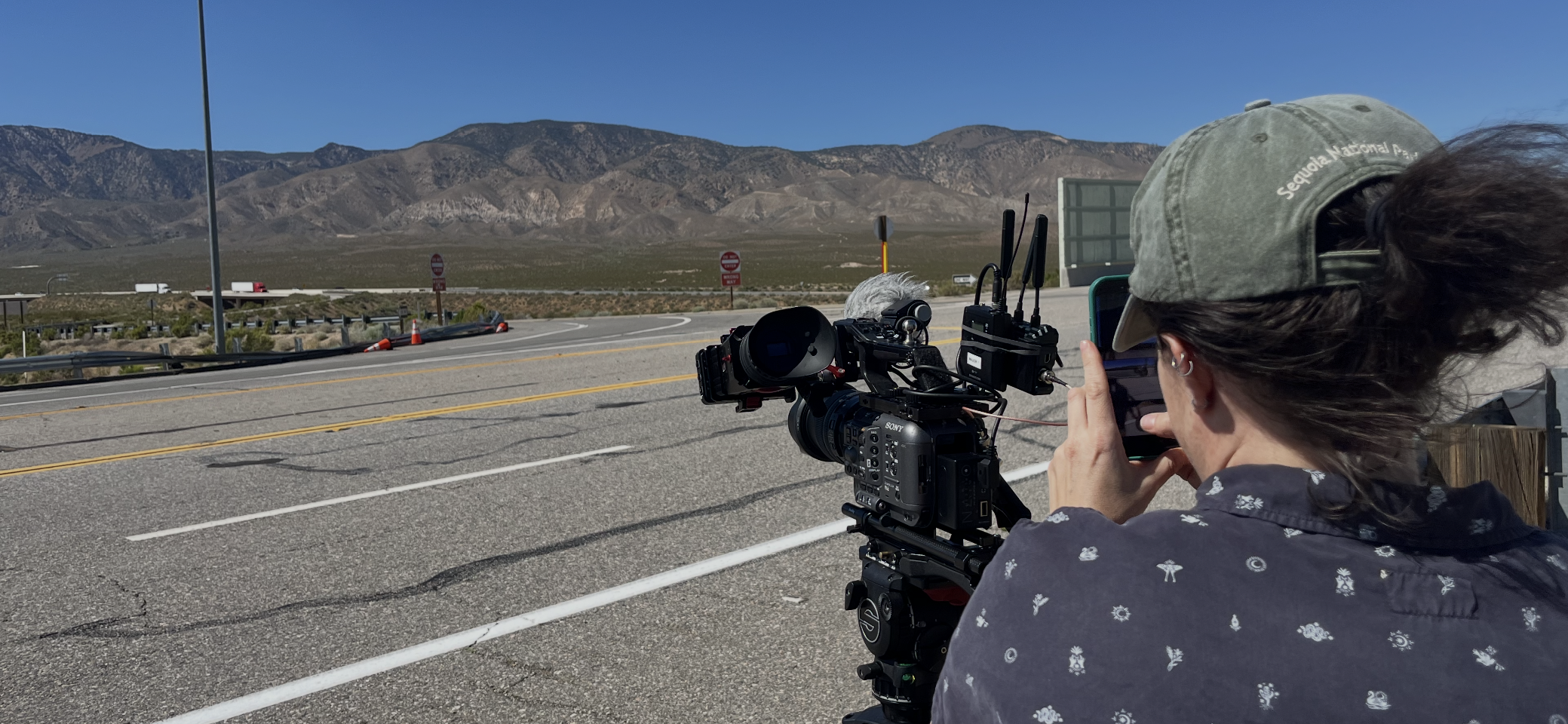
The next day, we pressed on into Arizona and were met by my brother Craig in Quartzite (where Chloe Zhao’s Nomadland was filmed), driving in from his home in Scottsdale. It was around noon, already 90+ degrees.
We’d paused to pick up some quick shots of Mischa getting gas when we turned and saw a nun in her full, black habit regalia gassing up her no-frills Buick at the pump opposite us at Love’s Truck Stop. That’s the middle of the desert for you.
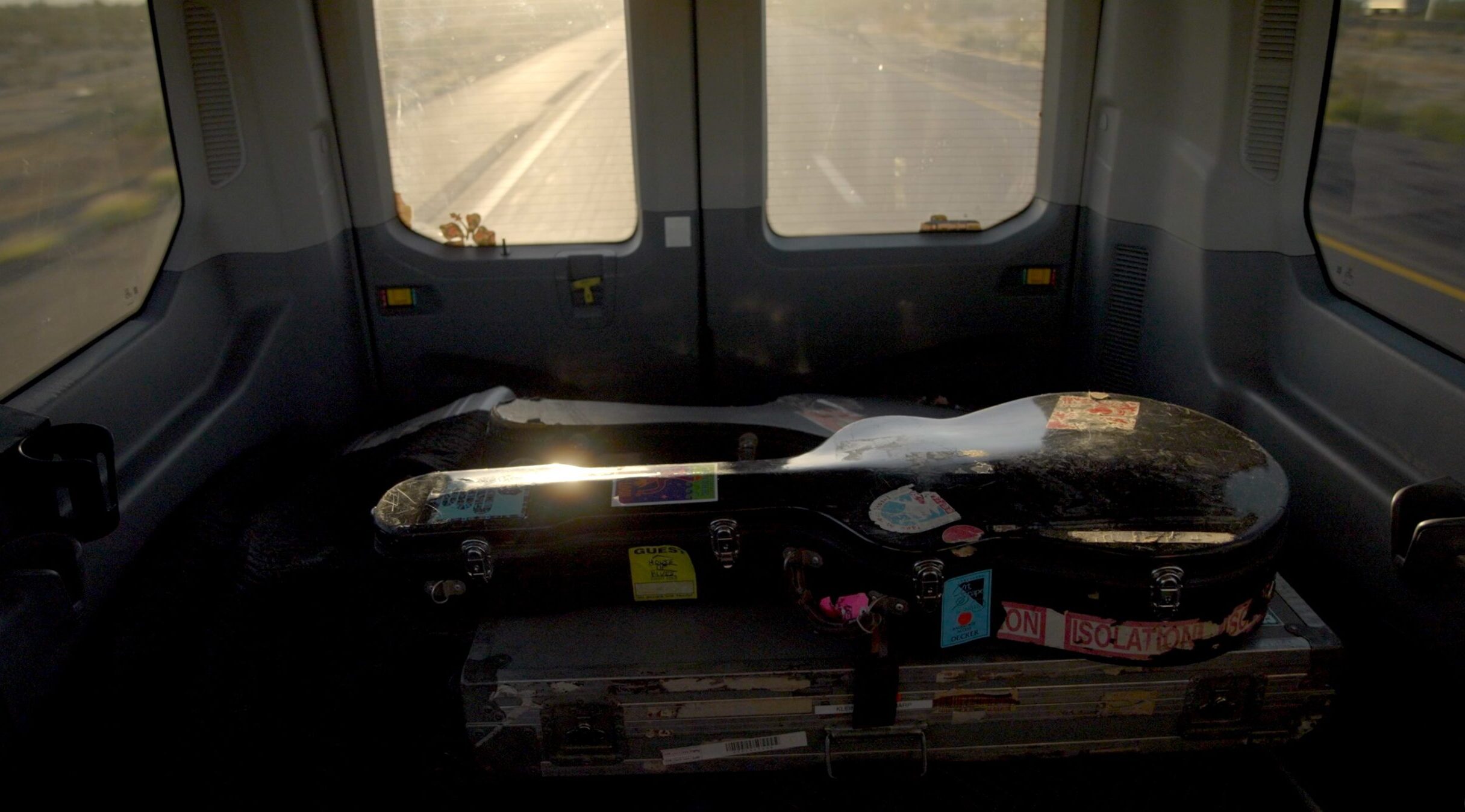
With Craig’s VW now part of our caravan, Clare and I hopped in with our walkie-talkies for some car-to-car shots, and drove into sunset, then twilight as the lights of Phoenix appeared on the horizon. At the end of a long, hot day, Clare turned her camera to the back of the van. ‘Barbara’ was atop the pile of documentary equipment and Michael’s guitars, bathed in a golden hour glow. ‘This,’ I said to myself, ‘is why we work so hard.’
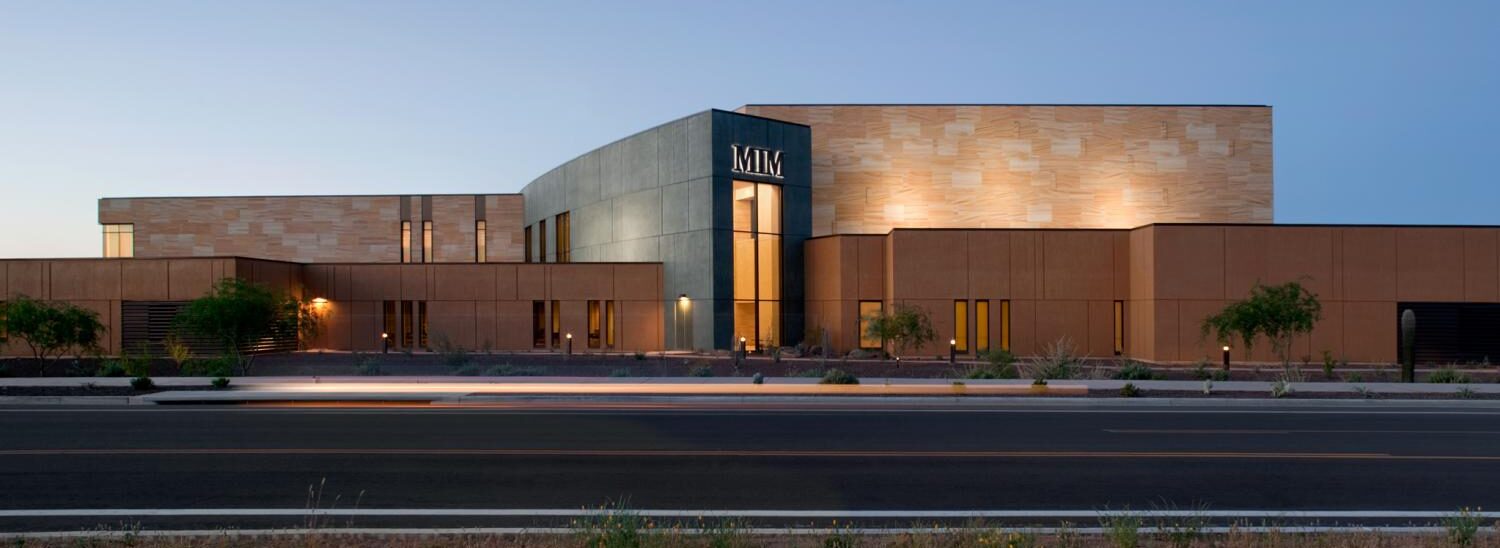
At 8:00AM sharp the next day, we were pulling into the giant parking lot at the extraordinary Musical Instrument Museum (MIM) in North Scottsdale.
It’s hard to describe the experience that the museum provides. Every era in recorded history, every corner of the globe, every possible instrument is represented in this spectacular, two-story museum. A sign inside greets you, stating: ‘Music is the language of the soul.’
We’d reached our destination.
The MIM’s senior curator, Rich Walter, had emailed me the day before, to say he was looking forward to greeting us, but also let me know that he’d lost his voice due to springtime allergies. Rich was our primary interview for that day, and absolutely essential to completing the ‘journey.’ I’d opened the email at our last rest stop, and waited to tell Mischa and the crew til after dinner. Rich said he’d nurse his voice overnight, and hope for the best.
The weather, once again, was going to be amazing – but I couldn’t sleep. Who else could possibly stand in? We’d had so many great conversations with Rich about Michael, his music, our hopes for the documentary. His support has been incredibly generous – and as an expert musicologist, he really ‘got’ who Michael was.
When our wheels came to a stop at the MIM loading dock that morning, I held my breath and called Rich’s cell phone. When he answered, he sounded maybe a pitch lower than usual – but perfectly fine.
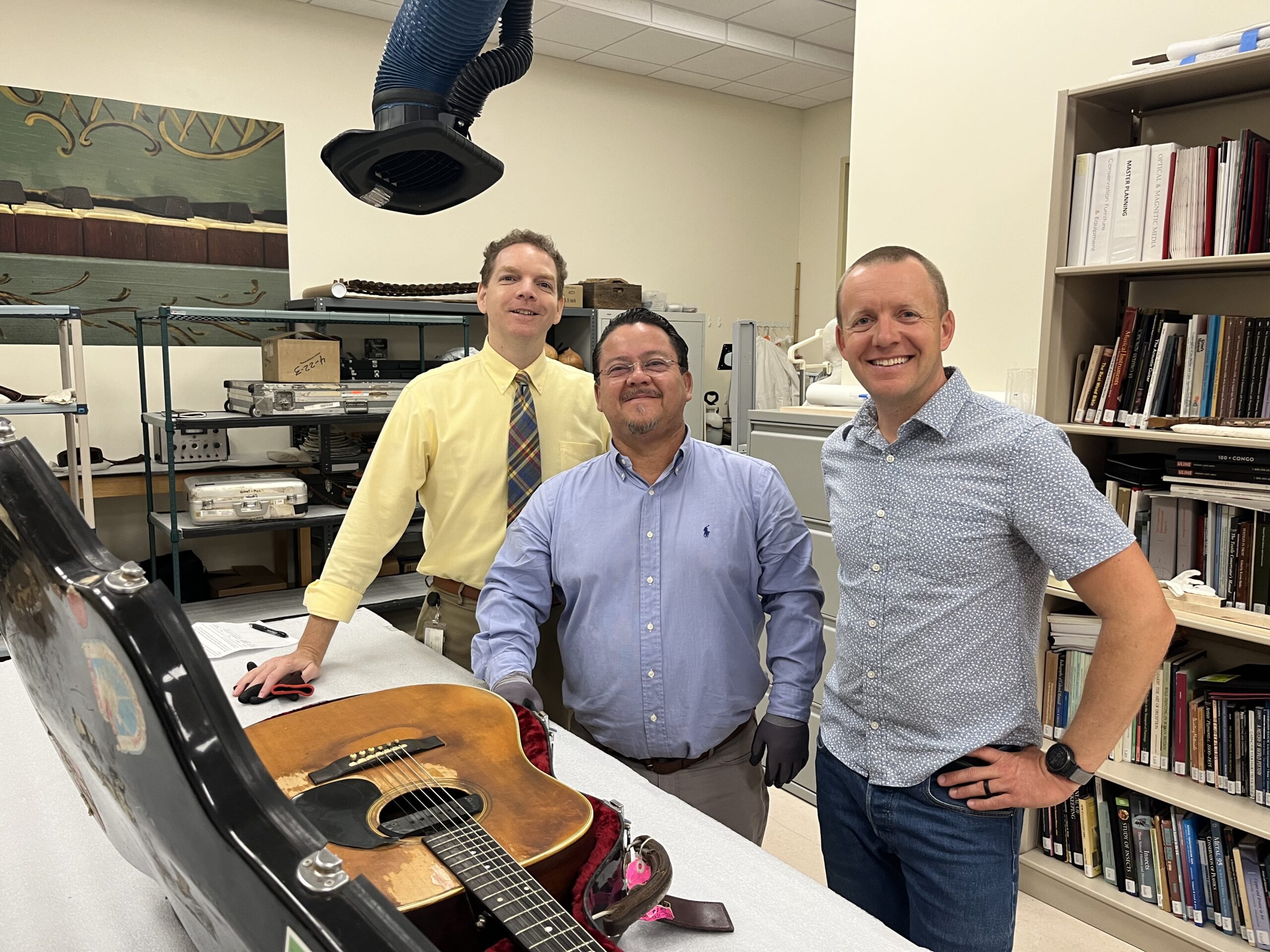
As Rich led us through the maze of behind-the- scenes, where-the-magic-happens ‘clean rooms’ of the MIM. We got to meet Rodrigo Correa-Salas, the museum’s consummate conservator who would bring ‘Barbara’ and the other guitars to a perfect presentation condition with an array of exotic tools.
It really was a magical moment when ‘Barbara’s case was opened, and the unexpected contents of a small, velvet-lined inner compartment were revealed: Beatles lyrics, in Michael’s handwriting…
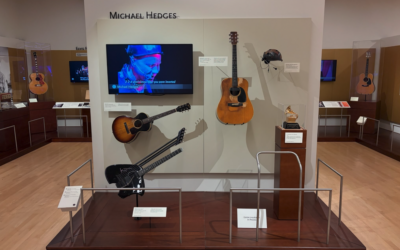
We broke for lunch, and then resumed filming as Rich led Mischa down the museum’s main, grand promenade, occasionally passing groups of visiting schoolchildren, the prestigious Artists Gallery and Special Exhibition Hall (this year’s theme – ancient flutes!), while discussing the plan (long in motion!) for Michael’s guitars – a dedicated Michael Hedges artist exhibit featuring stories about his life & music, multiple instruments and memorabilia from his career.
Heading up the escalator, Rich took Mischa to see Michael’s 38th guitar, already on display. His black harp guitar, ‘Darth,’ had been featured in the MIM’s ‘Acoustic America’ special exhibit in 2024, proving to be so popular that the MIM asked to retain it. Mischa hadn’t seen it in its new location: part of the Harp Guitar exhibit on the 2nd floor.
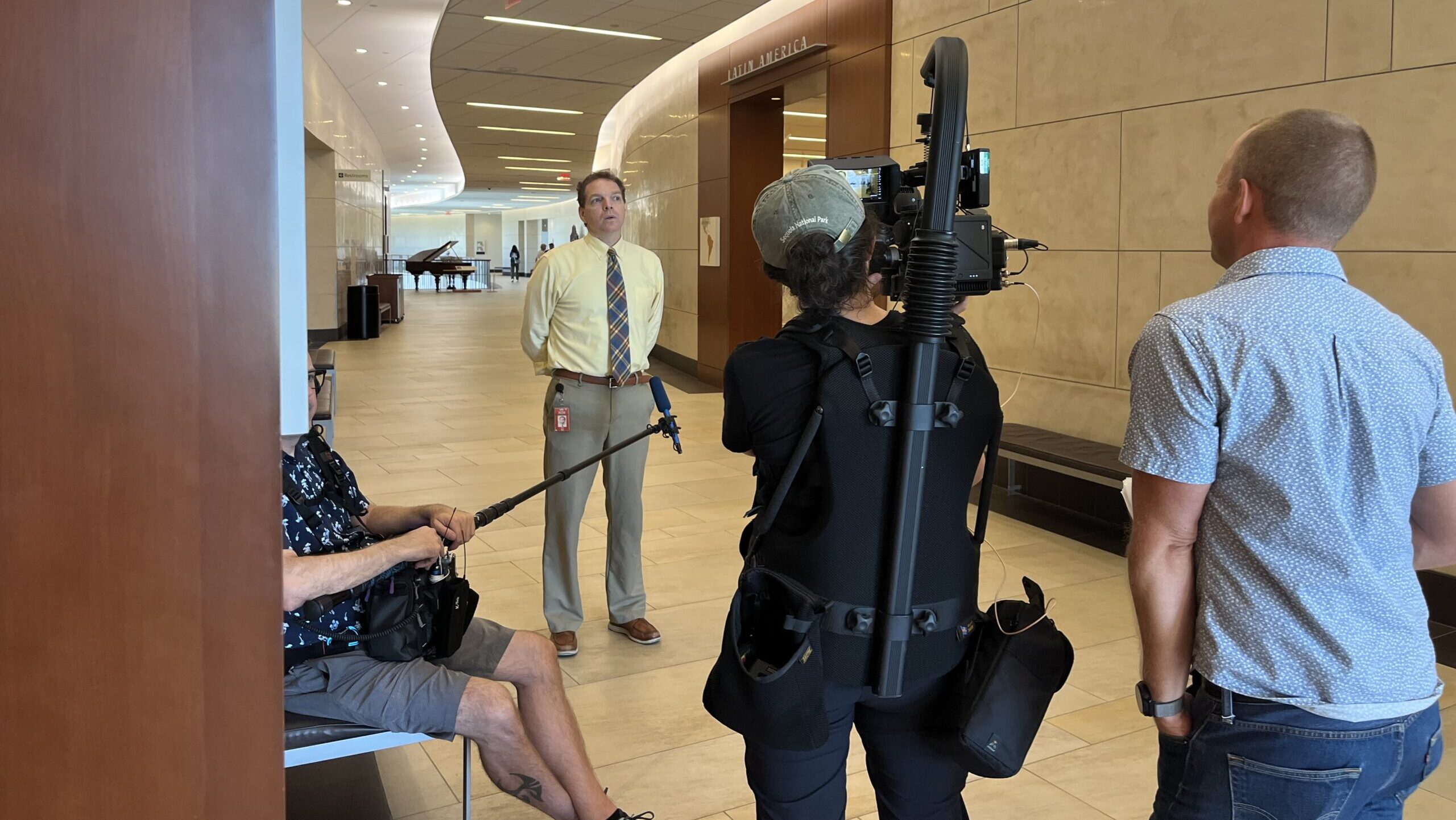
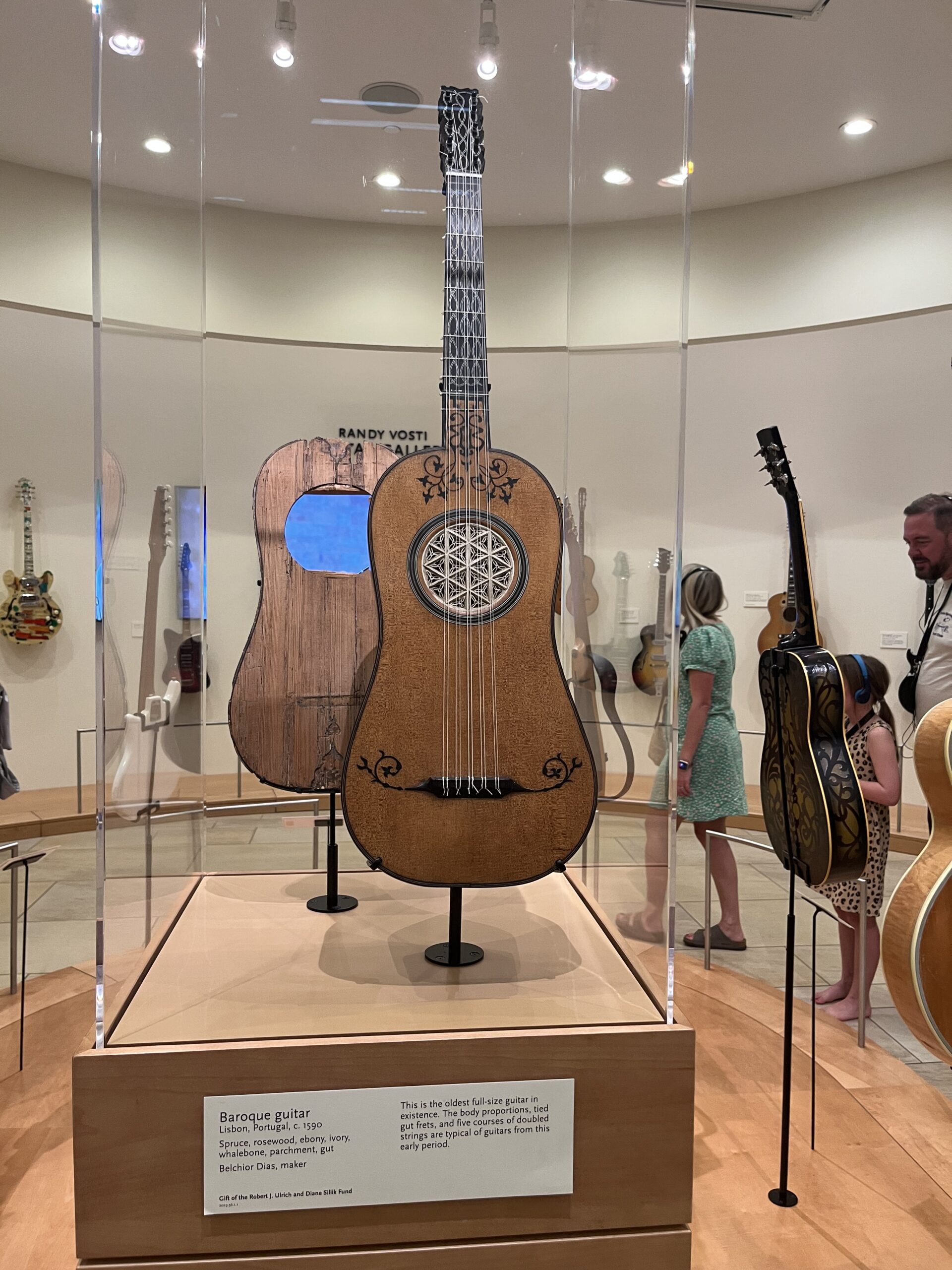
The last couple of hours at the MIM had Clare focusing on B-roll, for an insane variety of instruments throughout the myriad of halls: gigantic player pianos that drew a crowd of kids, Duke Ellington’s white Kramer baby grand, a bone flute dating way, way back into the BCs, elliptical dulcimers and ancient whistles. Want to see Hal Blaine’s “Surf City” drum kit? Look no further.
When we finally packed up and left the museum, we were suddenly empty-handed.
All that was left now was to head home. Clare and Mischa caught flights back to the Bay Area, while I took one for the team and lumbered back across the desert in the cargo van.
I stopped at Love’s in Quartzite and wandered through a tourist-trap Mineral and Gem Superstore across from the Starbucks. My turn to reflect, this time.
The trip and photo shoot had exceeded my expectations, and, (saving my sanity) with perfect weather.
It was often grueling and exhausting, and more than a few tears were shed – usually by yours truly, as Clare can attest.
In every sense, a journey.
BECOME A SPONSOR
This film is being funded in part by Michael’s fans, angel donors, business sponsors and grant funding
Review 2026 sponsorship benefit packages and let us know how much you plan to contribute.
To make your contribution by paper check:
– Fill out the form to right so we can track your donation
– Make check out to:
“International Documentary Association (IDA)”
and write “Oracle Documentary 5439” in the memo
– Send check to:
International Documentary Association
Attention: Fiscal Sponsorship
3600 Wilshire Blvd., Suite 1810
Los Angeles, CA 90010-2622